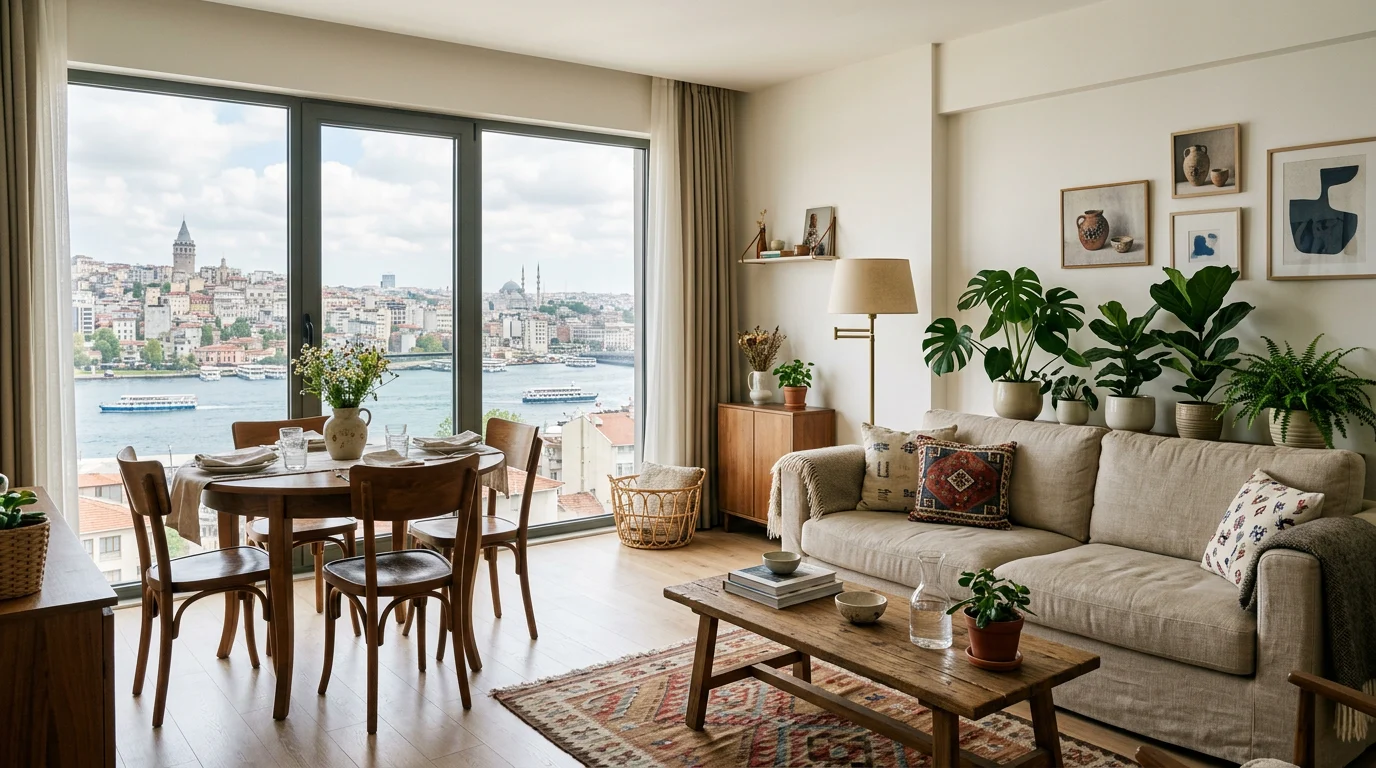
The three-year no-sale rule does not stop you from earning from your home. Many buyers keep earning by renting out citizenship property in Istanbul to long-term tenants while they hold it. Done well, rent can offset service charges and taxes; done badly, it creates disputes from thousands of kilometres away.
Renting out citizenship property in Istanbul: where tenants look
Demand is strongest close to work and transport: Şişli, Levent, Maslak, Ataşehir’s finance district and homes near metro stations. Projects such as 4. Levent Skyline Residences or Ataşehir Skyline Metro Residences fit that profile. Large suburban villas tend to rent to fewer, more seasonal tenants.
Long-term or short-term?
Long-term leases are simpler to manage from abroad. Short-term holiday letting is subject to licensing rules in Türkiye and is not allowed in every building, so check before you plan around it.
Managing from abroad
- Use a written lease registered in both parties’ names.
- Agree who pays service charges and utilities.
- Keep an inventory with photos at move-in.
- Appoint someone local to handle repairs and handovers.
If you prefer to hand this over completely, a local property management company can cover tenant search and day-to-day issues for you.
Tax
Rent earned on property in Türkiye is taxed there, and a return is due every year. Ask an accountant about allowances and any tax treaty with your home country.
Read our guide to the three-year rule for what you can and cannot do with the property.
Rental income is never guaranteed. General information only.
What a short-term letting permit actually involves
Holiday letting is where many plans quietly fall apart, so it helps to know the hurdles before you buy. According to the Ministry of Culture and Tourism’s guide, letting a home for stays of 100 days or less requires a tourism rental permit before the first guest arrives. The main conditions are:
- For a flat in a building with several independent units, a notarised decision taken unanimously by all the unit owners. One objecting neighbour is enough to block it.
- Applications are made online through e-Devlet. A foreign owner without a Turkish ID number applies through a representative holding a notarised power of attorney.
- A Ministry plaque must be fixed at the entrance of the home.
- Within a single building, one person’s permits are capped at a quarter of the units.
- Letting without a permit attracts administrative fines starting at TL 100,000 per home.
In a large residential compound, collecting every owner’s signature is often unrealistic. If short stays are central to your plan, ask before reserving whether the building already holds a unanimous decision, and treat a vague “yes, owners do it here” as a warning rather than an answer.
Declaring rent when you live abroad
Most citizenship buyers are non-residents for tax purposes during the holding period. The tax authority publishes a rental income guide for non-residents with worked examples for owners living in Germany, the Netherlands and Italy. The points that matter most:
- Residential rent benefits from an annual exemption (TL 47,000 for income earned in 2025), which is lost if the return is filed late.
- You choose between deducting actual expenses or a flat 15%. Once you pick the flat rate, you cannot switch back for two years.
- You file in March for the year before, online through the Hazır Beyan system using a foreign identification number, or through a licensed accountant. The tax falls due in two instalments, one in March and one in July.
As a rough illustration, gross annual rent of TL 600,000 less the exemption leaves TL 553,000. Deducting the flat 15% gives a taxable base of TL 470,050, which is then taxed at the progressive rates for that year. Whether that income is also taxed in your home country depends on any treaty between the two states.
Lease terms that suit a three-year owner
A long-term tenant can be ideal for a buyer who is abroad, but Turkish tenancy law favours the tenant, so the lease needs care from day one.
- Rent reviews. For homes, the law caps the yearly increase at renewal at the twelve-month average of consumer prices. Set the review date and method in the contract.
- Deposit. The law limits a deposit to three months’ rent. Agree where it is held and on what terms it is returned.
- Duration. A one-year lease renews automatically unless the tenant gives notice, and ending it as a landlord is not straightforward. If you may want to live in the home yourself, discuss timing with your lawyer before signing.
- Service charges. State clearly that the tenant pays aidat and utilities, and ask site management to confirm payments to you quarterly.
Renting does not affect the annotation on your deed, but any sale or transfer during the period does. The rules on that are in our guide to the three-year holding period, and the costs a landlord still carries are covered in our article on ownership costs.
Frequently asked questions about rent citizenship property Istanbul
Can I rent out my citizenship property on short-term platforms?
Short-term rentals in Türkiye need a permit, and many residential sites restrict them. Long-term leases are simpler and allowed during the three-year period.
Is rental income taxed?
Yes. Türkiye taxes the rent your property earns there, and you declare it once a year. It may be taxed in your home country too, so take advice on both sides.
Who manages the property if I live abroad?
Most owners use a property management company or the site management for tenants, maintenance and payments.
Letting is only one part of the picture; for the rest, open our full complete guide to Turkish citizenship by property.
Next steps: for homes in areas with steady tenant demand, see citizenship-eligible properties in Istanbul.