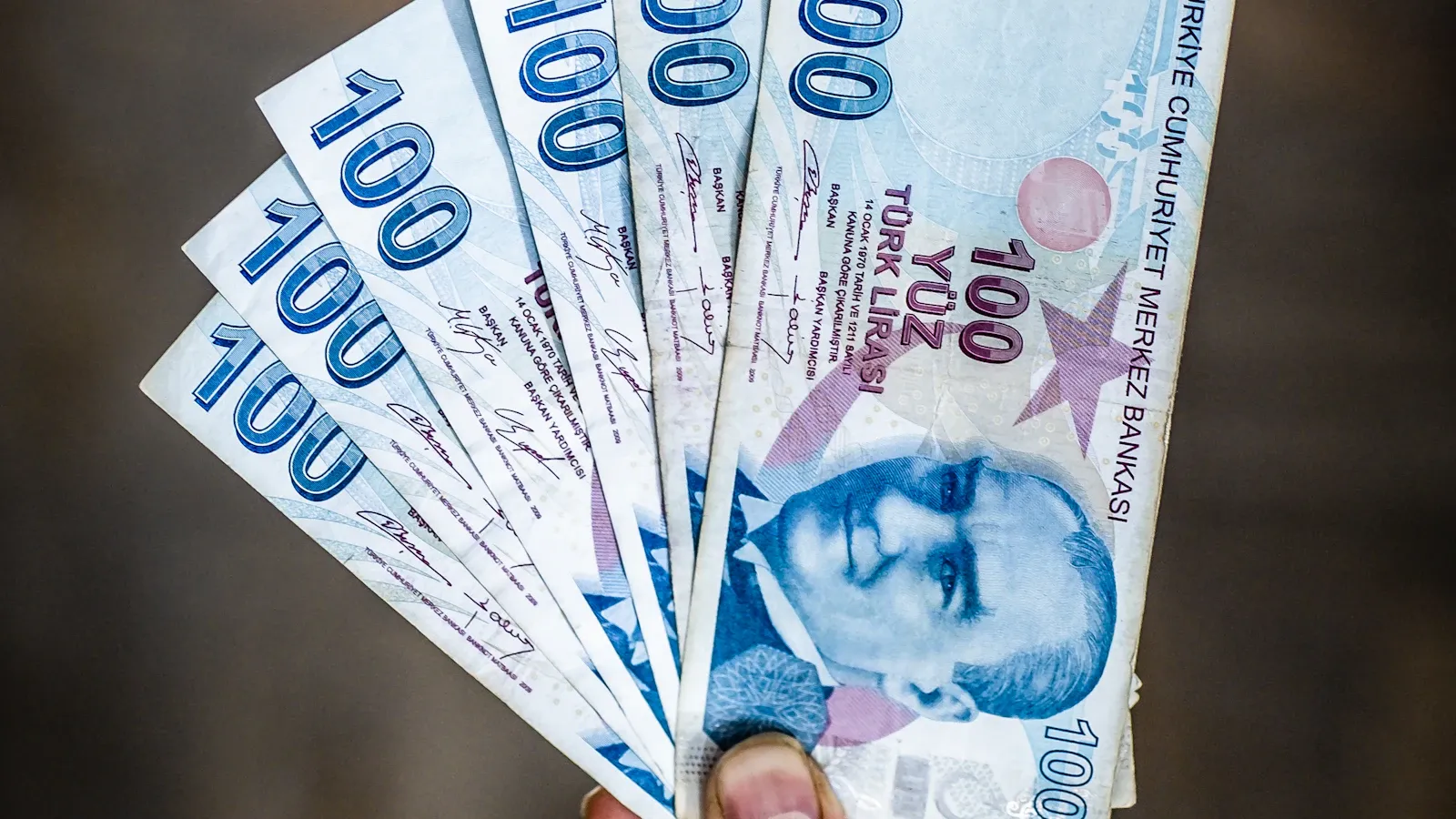
Currency risk in Istanbul property comes from a simple mismatch: developers quote prices in US dollars, but the title deed, the official valuation, rents and any future sale are all recorded in Turkish lira. For a citizenship buyer the most immediate effect is on the USD 400,000 test, because the lira value in the valuation report is converted into dollars at a specific exchange rate on a specific date. This article explains how that works and what lira movements mean before, during and after a purchase. It describes mechanics, not a view on where the lira is heading.
Why the price is in dollars and the deed in lira
Most new projects aimed at foreign buyers publish price lists in dollars, sometimes in euros. That is a convenience for buyers and a hedge for developers, whose costs move with the exchange rate. The Land Registry, however, works in lira. When the deed is transferred, the sale price is declared in Turkish lira and the deed fee is calculated on that figure.
Since March 2019, every sale where a foreign national is buyer or seller has needed a valuation report from a licensed valuer, and the declared price may not fall below the value in that report. Since 29 September 2026 each report has a shelf life of 12 months. In practice, then, two lira figures matter: the valuation and the declared price, which must be at least equal to it.
How the USD 400,000 test is converted
For citizenship, the valuation report has to put the property at USD 400,000 or more, and at least that amount must actually be paid. Because the report states the value in lira, it has to be converted. According to Turkish legal commentary published in January 2026, the conversion uses the Central Bank’s effective selling rate for the last business day before the date of the valuation report. Your lawyer should confirm the rule applied to your file, since procedure is set by circulars that can be updated.
The payment side has its own currency rule: the money must come from foreign currency sold to a Turkish bank, evidenced by a currency purchase certificate. Our guide to the DAB currency certificate covers the paperwork.
A worked example
On 6 November 2026, the Central Bank’s published rates put the US dollar effective selling rate at 50.1475 lira. At that rate:
- USD 400,000 equals about TRY 20.06 million;
- a valuation of TRY 21 million converts to about USD 418,800.
If the lira were 5% weaker on the day before the report, the same TRY 21 million valuation would convert to roughly USD 398,800, just under the threshold. The property has not changed; only the conversion has. This is why a unit valued only fractionally above the line is fragile, and why we recommend a margin in whether USD 400,000 is enough.
Currency risk in Istanbul property: what the past year shows
Looking back is not a forecast, but it shows how the pieces move against each other. The figures below come from the Central Bank and the statistics office:
| Measure | Change over roughly one year |
|---|---|
| USD effective selling rate (6 Nov 2025 to 6 Nov 2026) | 42.18 to 50.15 lira, about +19% |
| Consumer prices, annual (October 2026) | +29.77% |
| Istanbul house prices in lira (CBRT, September 2026) | +26.8% |
| Istanbul new-tenant rents in lira (CBRT, September 2026) | +35.5% |
Put together, Istanbul prices rose more slowly than inflation, so they fell in real lira terms. But the lira weakened against the dollar by less than prices rose, so in dollar terms the average Istanbul home was worth a little more, and rents in dollar terms rose further. Other years have looked very different, with sharp falls in the lira that took months for prices to catch up with. The CBRT residential property price index is the official series to watch.
What lira moves mean while you are buying
Between choosing a unit and the deed transfer, a buyer is exposed in three places.
- The contract. If the price is fixed in dollars, a weaker lira does not change what you owe in dollars. If the contract is in lira, a weaker lira makes it cheaper in dollar terms, but also raises the risk that the valuation converts to less than USD 400,000.
- The valuation date. The rate that counts is tied to the report date, and the report now stays usable for 12 months. Ordering it too early, or letting it expire, can change the outcome.
- Off-plan instalments. Staged payments over a year or two are usually set in dollars. Check what happens to any lira-denominated items, such as deed fees, which are calculated on the declared lira price.
How and when you move money also matters; our article on sending money to Türkiye covers transfers and timing.
What lira moves mean for rent
Residential leases are normally written in lira, and increases on renewal are capped at the twelve-month average of consumer price inflation. If the lira weakens faster than rents are allowed to rise, the dollar value of your rental income falls, sometimes for a year or more until a new tenancy resets the rent to market level. If the lira is stable or weakens slowly, the opposite happens. Owners who need income in another currency should budget on a cautious exchange rate rather than today’s.
What they mean at resale
When you sell, the deed again records a lira price, and the buyer pays either in lira or in foreign currency converted through a bank. The dollar result depends on the exchange rate at the time and on whether lira prices have kept up with the currency. Buyers from abroad often still negotiate in dollars, which can help, but local buyers think in lira. Turkish tax on any gain is calculated under Turkish rules, which an accountant should explain for your situation. Our guide to selling after three years covers the process.
Practical points buyers raise with their advisers
- Keep the purchase funds in your own currency until the payment schedule needs them, rather than converting early.
- Choose a unit with enough room above USD 400,000 that a few per cent of currency movement does not matter.
- Read the currency clause in the sales contract and ask how any lira amounts are fixed.
- Agree with your lawyer when the valuation report should be ordered, relative to the deed and the currency sale.
- Judge rent and resale in the currency you will actually spend.
None of these removes currency risk; they just keep it from deciding whether your application qualifies. For the rules themselves, see our Turkish citizenship by property guide, the costs and ownership hub, and the units in our citizenship property collection.
Buyers who ask whether the dollars can be replaced by crypto or cash should read paying for citizenship property in crypto or cash; only bank transfers in foreign currency count towards the threshold.
Frequently asked questions about currency risk Istanbul property
Will the title deed show the dollar price I agreed?
No. The deed records the sale in Turkish lira. Your sales contract and bank records show the dollar amounts, and the currency purchase certificate links the two, so keep all three together.
Does a stronger lira help or hurt a buyer?
It depends on the contract currency. With a dollar price, a stronger lira makes it easier for the lira valuation to convert above USD 400,000. With a lira price, a stronger lira makes the purchase more expensive in dollars.
Can I pay in euros or pounds instead of dollars?
What the rules require is a sale of foreign currency to a Turkish bank, so other major currencies are generally used. The threshold is still measured in US dollars, which adds a second exchange rate to keep an eye on.
Can I take rental income or sale proceeds out of Türkiye?
Owners regularly convert lira and transfer funds abroad through Turkish banks, which will ask for documents showing where the money came from. Keep tenancy contracts, tax filings and sale documents organised so transfers are straightforward.
For a second opinion on how a particular unit sits against the threshold, send us the details through the enquiry form.