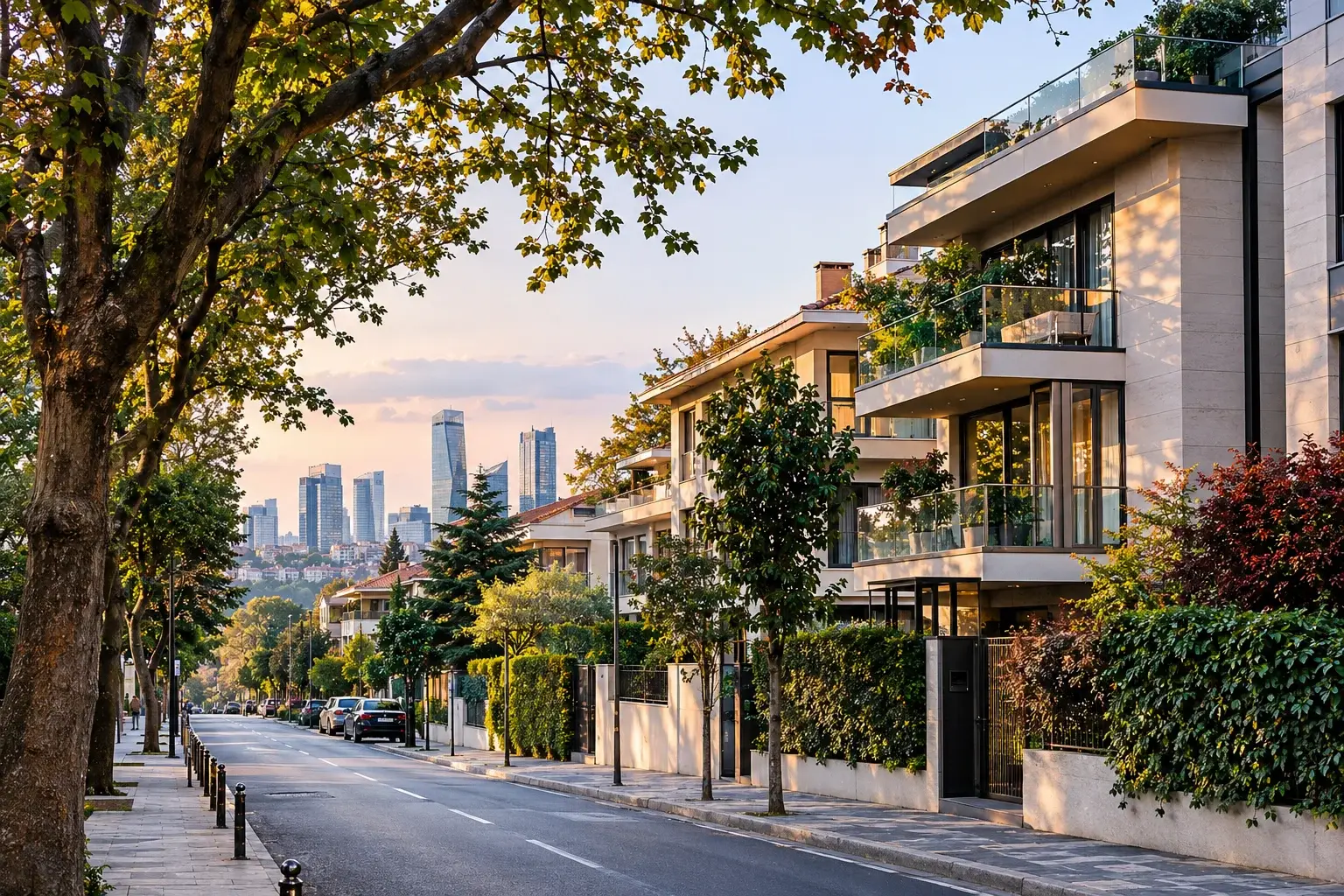
The UN climate conference COP31 takes place in Antalya from 9 to 20 November 2026, with Türkiye as host and president. If you are planning to obtain Turkish citizenship through a property purchase, you may be wondering whether the summit changes anything for you, and whether an energy-efficient property for Turkish citizenship is worth seeking out.
The short answer is no: the citizenship by investment rules are the same. The longer answer is that COP31 is a good prompt to think about something many applicants overlook. You will own this property for at least three years, and you will want to sell or rent it afterwards. Its energy performance is part of what it will be worth.
What stays the same
The core requirements for Turkish citizenship through real estate are not affected by COP31:
- A property purchase with a minimum value of USD 400,000, confirmed by an official valuation report from a licensed appraiser.
- A restriction on the title deed: the property cannot be sold for three years.
- Payment through the Turkish banking system, with the foreign currency conversion documented.
- The application process through the title deed office, the residence permit stage and the citizenship file.
Our main guide to citizenship property in Istanbul covers each step in detail.
Why energy-efficient property for Turkish citizenship holds its value
Most citizenship applicants buy for a mix of reasons: the passport, a base in Türkiye, rental income, and a future sale. The three-year holding period means the property has to work as an asset, not only as a qualifying purchase. Energy performance affects that in three ways.
Rental income during the holding period
Many applicants rent their property out while their file is processed and during the three-year period. Tenants in Istanbul pay their own utilities, and they notice the difference between a warm, well-insulated flat and a cold, draughty one. Lower running costs make a property easier to let and help keep tenants longer.
Resale after three years
When the restriction ends, you will be selling into a market where building rules have kept tightening. Since January 2025, new Turkish buildings of 2,000 m² or more must be designed as nearly zero-energy buildings, reach at least energy class B and cover 10% of their energy from renewable sources. A property built to these standards is less likely to look dated by the time you sell.
The valuation report
The appraiser values the property based on its location, size, condition and comparable sales. Building quality is part of that picture. A newer, well-built property in a good location is generally easier to value clearly and to defend at resale.
Questions to ask before you choose
- What is the Energy Identity Certificate (EKB) class? Ratings run from A to G. New buildings must reach at least C. Ask for the certificate and check it matches the unit.
- When was the building permit issued? Projects permitted under the 2023 and 2025 rules were designed to the newer energy standards.
- Is the building earthquake-code compliant? Structural safety and energy performance usually go together in modern projects. Ask for documentation.
- How is it heated and cooled? Individual combi boiler, central heating with individual meters, or heat pumps. Each affects running costs differently.
- Will it rent well? Check transport links, nearby schools and services, and typical rents for similar units.
- Is the title clean and the project complete? For off-plan purchases, check the developer’s track record and the expected delivery date.
A note on “green” marketing
With COP31 in the news, expect more projects to call themselves “green” or “eco”. Those words are not a certification. Ask for the EKB class, details of insulation and building systems, and any renewable installations. If a developer cannot show documents, treat the claim as marketing.
Frequently asked questions
Does COP31 change the Turkish citizenship by investment programme?
No. The minimum property value of USD 400,000, the three-year sale restriction and the application process are unchanged.
Does the property need a particular energy class to qualify for citizenship?
No. There is no energy class requirement for citizenship. Energy performance matters because it affects rental income, running costs and resale value.
Is a new building better than an older one for citizenship?
Not automatically. Newer buildings are more likely to meet current energy and earthquake standards, while older buildings may have better locations. Compare documents, condition and rental potential for each option.
This article is general information, not legal advice. Citizenship rules can change; confirm current requirements with a licensed lawyer before you buy.