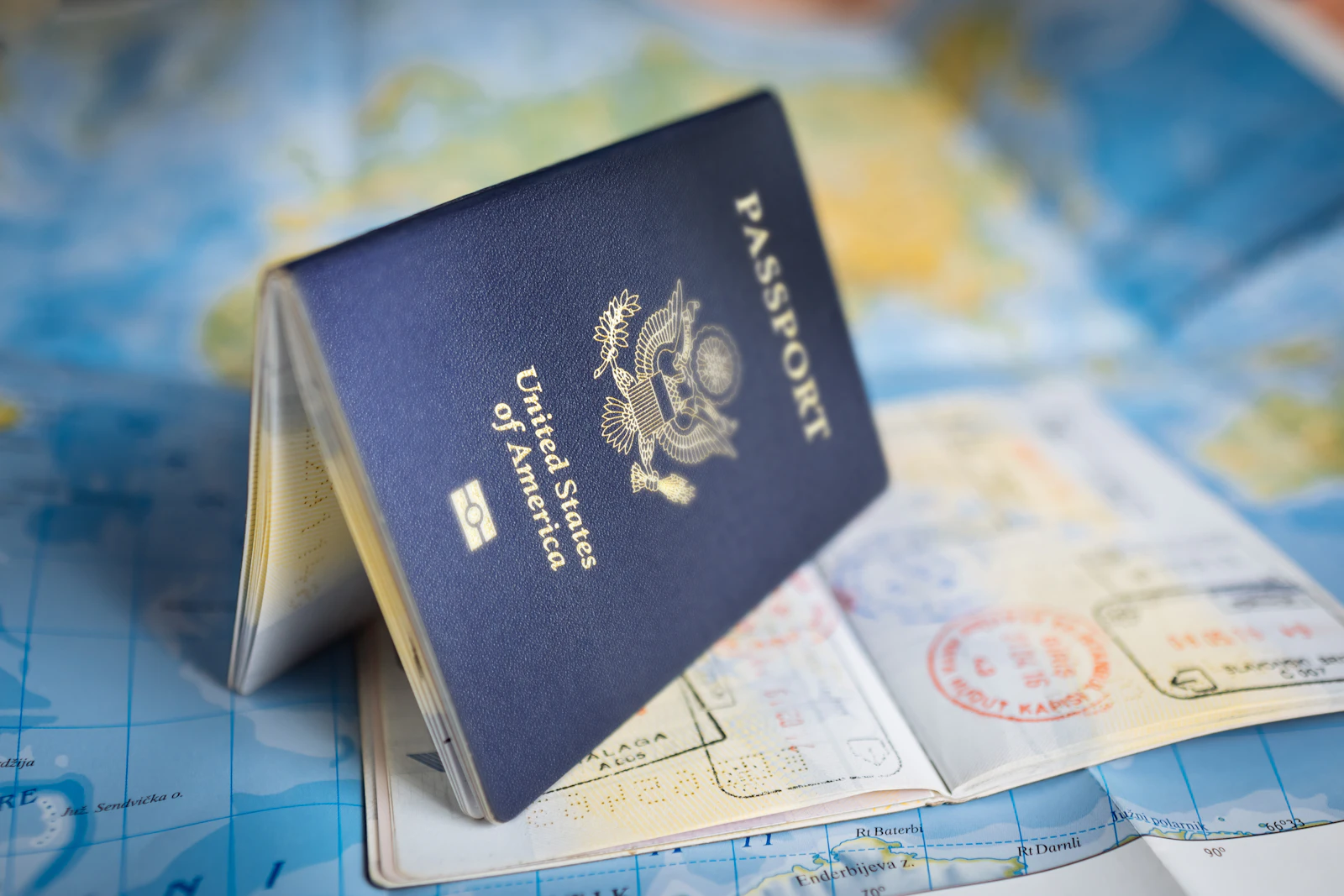
Turkish citizenship for US and UK citizens works through exactly the same property route as for anyone else: a qualifying purchase valued at USD 400,000 or more, held for three years, followed by an application decided by the Turkish authorities. Neither the United States nor the United Kingdom makes you give up your existing nationality, so most American and British buyers end up as dual nationals. The differences lie in paperwork, banking and, for Americans in particular, tax reporting at home. The underlying rules are those of Turkish citizenship by property: a USD 400,000 purchase, bank payment and a three-year hold; this page covers what differs for US and UK passport holders.
Dual nationality: what Washington, London and Ankara say
The US State Department’s guidance on dual nationality is that US law does not require a citizen to choose one nationality, and that naturalising abroad does not by itself end US citizenship. It adds two points worth noting: dual nationals owe allegiance to both countries, and US nationals must use a US passport to enter and leave the United States.
The UK government states plainly that dual citizenship is allowed and that you do not need to apply for it. The same page warns that the British government cannot normally give consular help to a dual national in the other country of nationality. Once you are Turkish, British consular officials in Türkiye would generally be unable to act for you.
Türkiye permits dual nationality and does not ask investors to renounce their first citizenship. Our article on dual citizenship for investors covers the Turkish side in more depth.
Turkish citizenship for US and UK citizens: the same route, different paperwork
The legal requirements do not change with nationality. What changes is how you prepare documents and move money. Day to day, both groups have an easy start: American and British ordinary passport holders can visit Türkiye visa-free for up to 90 days in any 180-day period, according to the Turkish foreign ministry, which makes viewing trips and the deed appointment straightforward.
Foreign civil documents such as birth and marriage certificates need an apostille, and all three countries are parties to the Hague Apostille Convention. The issuing authority differs:
| United States | United Kingdom | |
|---|---|---|
| Who issues the apostille | For state records such as birth and marriage certificates, usually the Secretary of State of the issuing state; for federal documents, the State Department’s Office of Authentications | The Legalisation Office, which offers paper apostilles and e-Apostilles |
| Typical cost | Set by each state or the federal office | £45 per paper document or £35 per e-Apostille at the time of writing |
| Practical point | Documents from different states go to different offices, so allow time | Standard paper processing can take up to 25 working days, plus postage |
Once apostilled, each document goes to a sworn translator for a Turkish version, which a notary in Türkiye then certifies. Check that names match across every document: middle names, double-barrelled surnames and names changed on marriage are common sources of delay. Our guide to working with a lawyer and sworn translator explains who does what.
US tax reporting: reminders, not advice
The United States taxes its citizens on worldwide income wherever they live, so buying in Istanbul brings reporting duties that buyers of other nationalities do not have. In general terms:
- FBAR. If the combined value of your foreign financial accounts, including a Turkish bank account, exceeds USD 10,000 at any time in the year, you file FinCEN Form 114.
- FATCA and Form 8938. Specified foreign financial assets above certain thresholds are reported with your tax return. For an unmarried taxpayer living in the US, the threshold starts at USD 50,000 at year end or USD 75,000 at any time.
- The property itself. The IRS comparison of Form 8938 and FBAR lists foreign real estate held directly as not reportable on either form. The bank accounts you use to buy, and to receive rent, are.
- Rent and gains. Rental income and any gain on sale are reportable in the US, with relief for Turkish tax paid available under US rules.
Because of FATCA, Turkish banks ask US persons for additional tax information when opening an account. A US tax adviser familiar with foreign property should review your plans before you buy, not after.
UK tax points
For British buyers the question is residence rather than nationality. HMRC guidance says UK residents normally pay tax on foreign income, including rent from overseas property, with relief available where the same income is taxed in another country. Rules for people who have recently moved to the UK changed in April 2025. If you live outside the UK, your obligations depend on where you are tax resident. Either way, a UK adviser should look at rent and any future sale.
The E-2 visa question
Turkish citizenship is often sold on the promise of the US E-2 treaty investor visa, since Türkiye has been an E-2 treaty country since 1990. That benefit is irrelevant to American citizens, who need no visa for their own country. British nationals already qualify under the UK’s own treaty with the US. For readers of this article, then, E-2 access is not a reason to buy, whatever a brochure may suggest.
Moving money from the US or UK
Most buyers send funds by international wire in dollars or sterling. For citizenship, the money must be foreign currency sold to a Turkish bank, with a currency purchase certificate as evidence, and because the threshold is set in US dollars, sterling buyers face a second exchange rate. Your US or UK bank may ask about the purpose of a large transfer, and the Turkish bank will want to see where the money came from. Tax returns, sale contracts or brokerage statements are the usual evidence. Our guide to sending money to Türkiye covers the steps.
Buying from a distance
Many American and British buyers complete the purchase without staying in Istanbul for weeks. A power of attorney can be signed at a Turkish consulate, or before a local notary and then apostilled, so that a lawyer can attend the deed office for you. Our guide to buying with a power of attorney explains the options. For the full rules, see our citizenship by property guide, the buying guide, and the homes in our citizenship property collection.
Frequently asked questions about Turkish citizenship for US and UK citizens
Does becoming Turkish affect my right to live in the US or UK?
Not under the official guidance from either country, which allows dual nationality. You keep your existing passport and rights, and you continue to enter your home country on that passport.
Can I open a Turkish bank account from the US or UK?
Some banks allow parts of the process remotely, but most expect you in a branch at least once, with a Turkish tax number and your passport. US citizens should expect extra tax forms because of FATCA.
Will a later sale be taxed in Türkiye and at home?
Potentially in both, with relief for tax paid in Türkiye under your home country’s rules. How much is due depends on how long you held the property and where you are resident, so take advice in both countries before selling.
Do American or British men face Turkish military service?
New citizens can have obligations under Turkish law depending on age, and there are rules for those who live abroad. Read the details before applying if this concerns you or your sons.
If you are an American or British buyer working out timing, documents and budget, write to us through the enquiry form and we will reply in plain terms.